Quick Navigation
What is Padme?
Padme aims to open minds and hearts by bringing together critical stakeholders on a common platform.
Padme is a comprehensive resource platform that bridges the gap between the current situation and adopting a new mindset on adoption. We work towards demystifying adoption and mitigating the social conditioning that stigmatises it — including the stigma faced by children perceived as "difficult to place" — which often hampers the decision-making process.
Our intended takeaway is to make the whole adoption experience less overwhelming, and to bring a more balanced approach to the concerns that come with it.
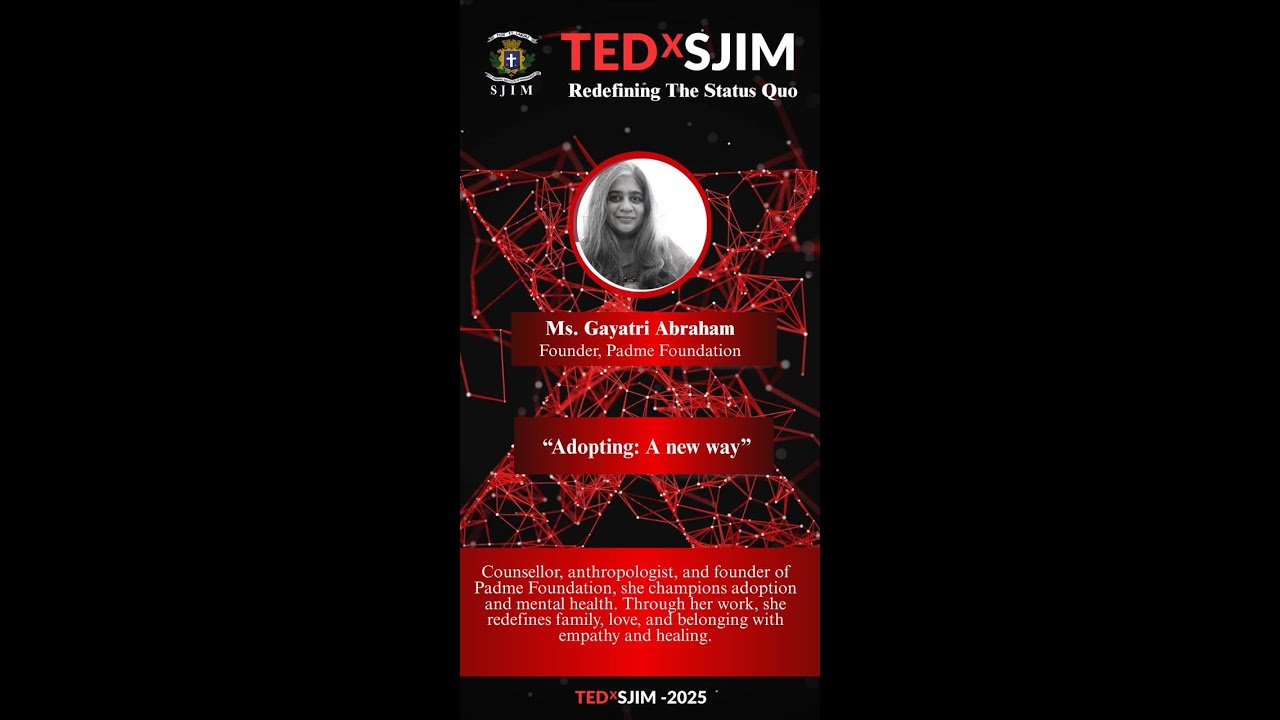
Why I Started Padme
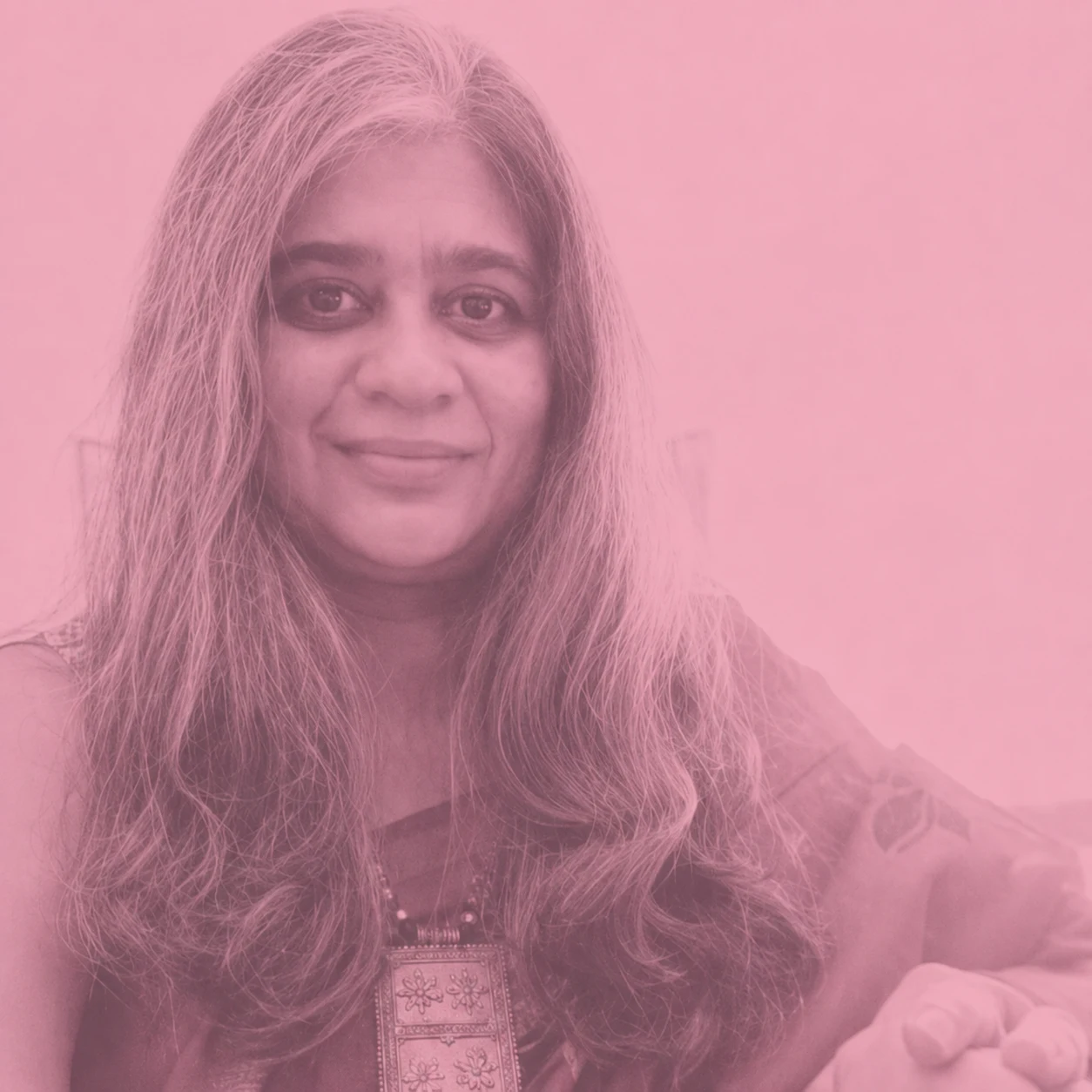
I wanted to contribute towards adoption at some point in my life but had no idea where and how to begin. I would often speak to many potential parents and new parents by adoption on approaching adoption the right way. I volunteered at an adoption agency for a short time, and that experience gave me an inkling of the areas I would like to contribute to in adoption.
Where the Gaps Really Are
A few years ago, CARA took the adoption process digital. Some of the processes became clear and transparent and more democratic. However, technology completely replaced the human emotion and connection. Essentially, while one part of streamlining the process can be applauded, it has created more vacuum than ever for children with disabilities, older children, siblings and children perceived to have lesser physical attributes (colour of skin, etc).
Prior to the digital route, social intervention and counselling could be provided for the potential adoptive parents. Some seasoned social workers feel that it has been a difficult road for children who are perceived as difficult to place even before the digital route. Also, parallel adoptions (illegal adoptions) are on the rise, which always poses a problem.
— Gayatri Abraham
The Data That Sparked It
Sometime back, an article with conflicting data filled me with concern. It prompted a closer look at where adoption in India actually stood.
| Statistic | Figure |
|---|---|
| Orphaned children in India (2007 UNICEF study) | ~25 million |
| Children in childcare institutions (CSA study) | ~500,000 |
| Of those, found homes through adoption that year | 3,264 |
| In-country + inter-country adoptions, 2015–16 (CARA) | 3,677 |
| Highest adoptions recorded, Jan 2011–Mar 2012 | 6,593 |
| Prospective adoptive parents in India | ~15,000 |
| Children available for adoption | 1,800–2,000 |
Even accounting for a hypothetical 25% drop in the number of orphaned and destitute children over nine years, 3,677 adoptions is an abysmally low figure — and in the years since, that number has only fallen further.
My personal research indicated that whilst the process is streamlined to some extent, certain important missing links need to be bridged in the whole context of adoption. Our intended takeaway is to make the whole adoption experience less overwhelming and have a more balanced approach while tackling concerns arising out of adoption.
Bringing Stakeholders Together
The need of the hour is to bring all critical stakeholders on a common platform – parents by adoption and potential parents, the medical and legal community, counsellors, educators – and address the various societal and process-related concerns. It is important that we bring adoption into the mainstream by educating and sensitising society, as it is crucial to the cause of adoption.
If we move forward with the thought of adoption as just an alternative way to start a family, perhaps we can see more abandoned/surrendered children being adopted and finding a family.
Board of Advisors
Padme's advisory board is a vibrant mix of eminent minds from the worlds of adoption, academia and technology.
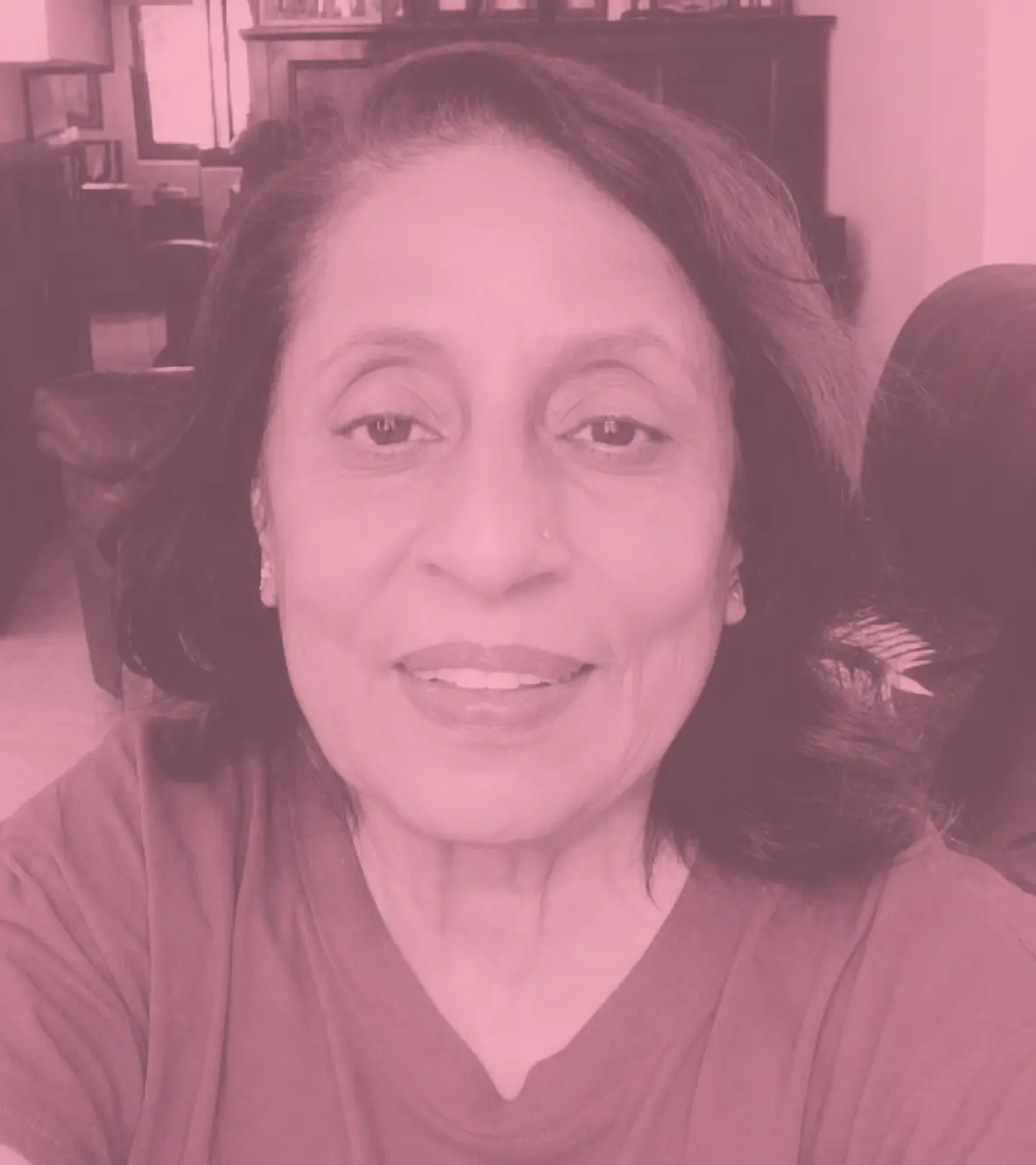
Dr. Aloma Lobo
Adoption & Child Welfare SpecialistDr. Aloma Lobo has worked in the field of adoption for over 30 years, with roles at St. John's Medical College and the World Health Organization. She previously served as chairperson of the Adoption Coordinating Agency (ACA) and as the former chairperson of the Central Adoption Resource Authority (CARA).
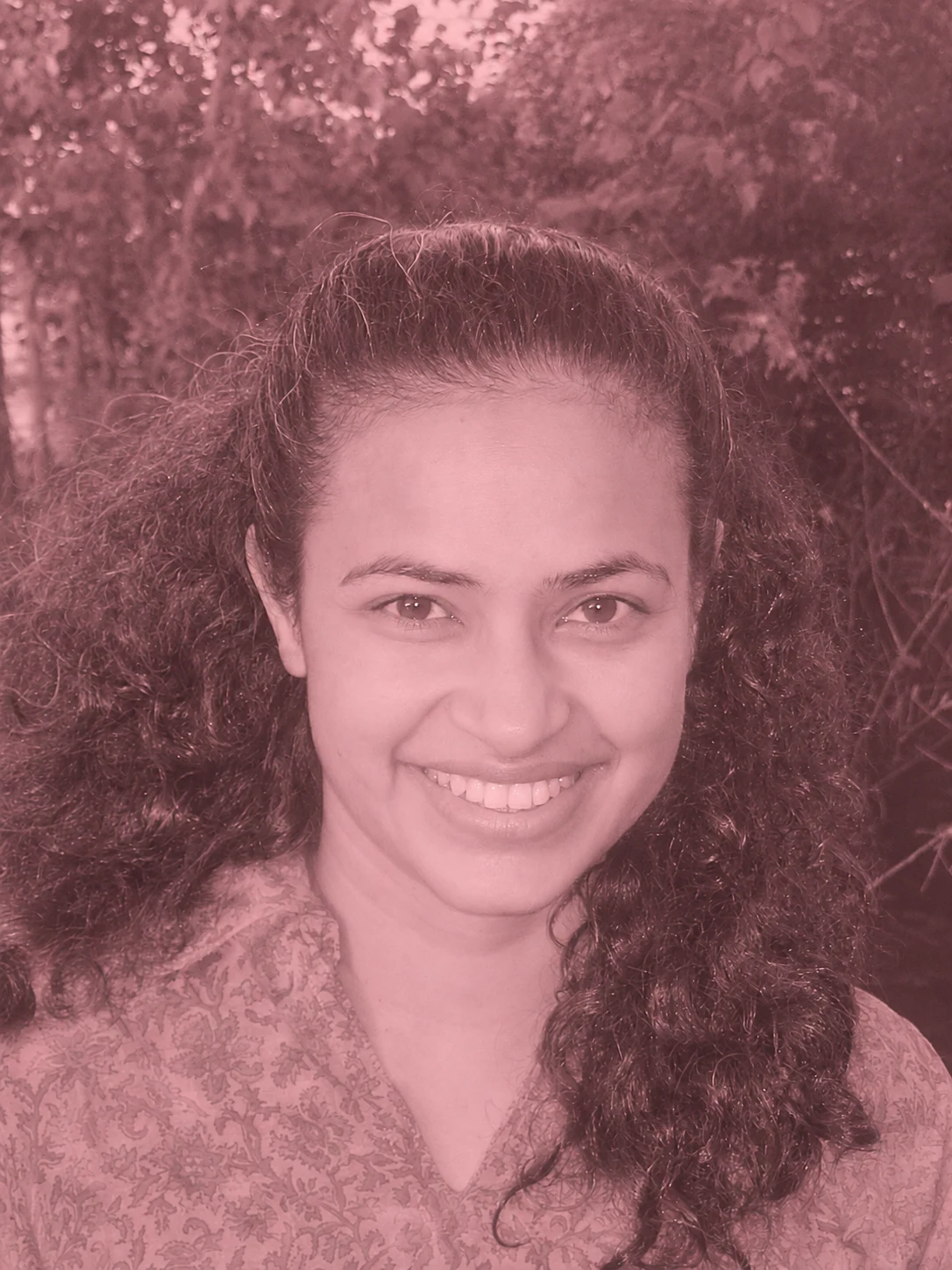
Dr. Shonali Chinniah
Educator & Science CommunicatorDr. Shonali Chinniah holds a Ph.D in Ecology from Cornell University and runs Curiouscity, a company focused on hands-on science education for children. She has led numerous workshops and teacher-training programs in government schools across India, and has long volunteered with Ashraya, a women's and child welfare organisation founded by her mother, Mrs. Nomita Chandy, that has been at the forefront of adoption work for many years — including meeting adoptive families in the US, running computer training and science camps for older children, and raising funds for the organisation.
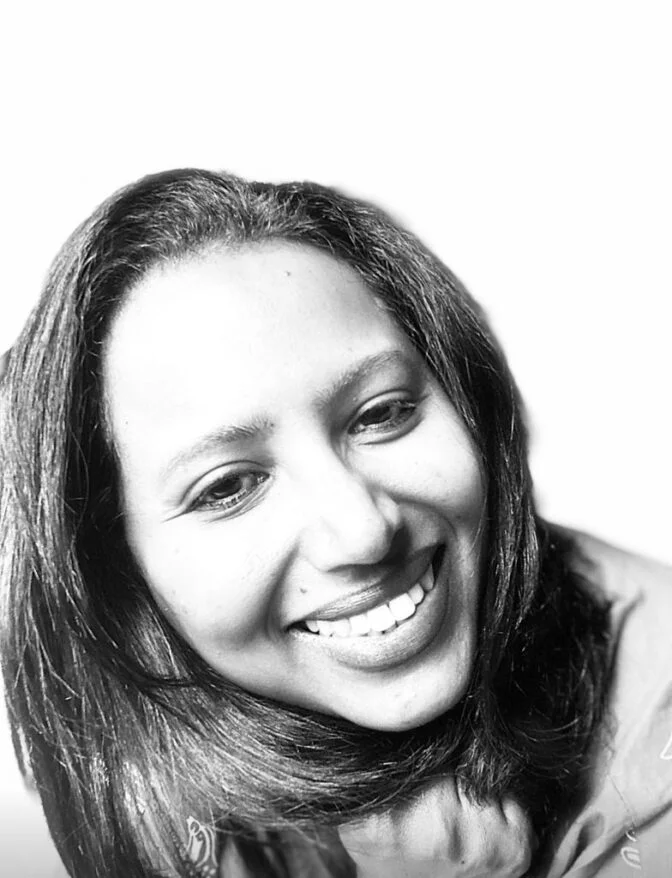
Sharon Lopez
Pedagogue & Child Rights ResearcherSharon Lopez is a pedagogue, researcher in motherhood studies, oral historian, and child rights law researcher and consultant. Her work centres on building a multi-dimensional, supportive space that helps mothers navigate the policies and legalities around motherhood, alongside an interest in how literature, communication and the arts can drive professional development and community transformation. She has also led projects providing vocational rehabilitation for vulnerable groups.
Join Us in Changing the Conversation
Whether you're considering adoption, already an adoptive parent, or simply want to help us build a more inclusive future for every child — we'd love to hear from you.
Contact Us Today